
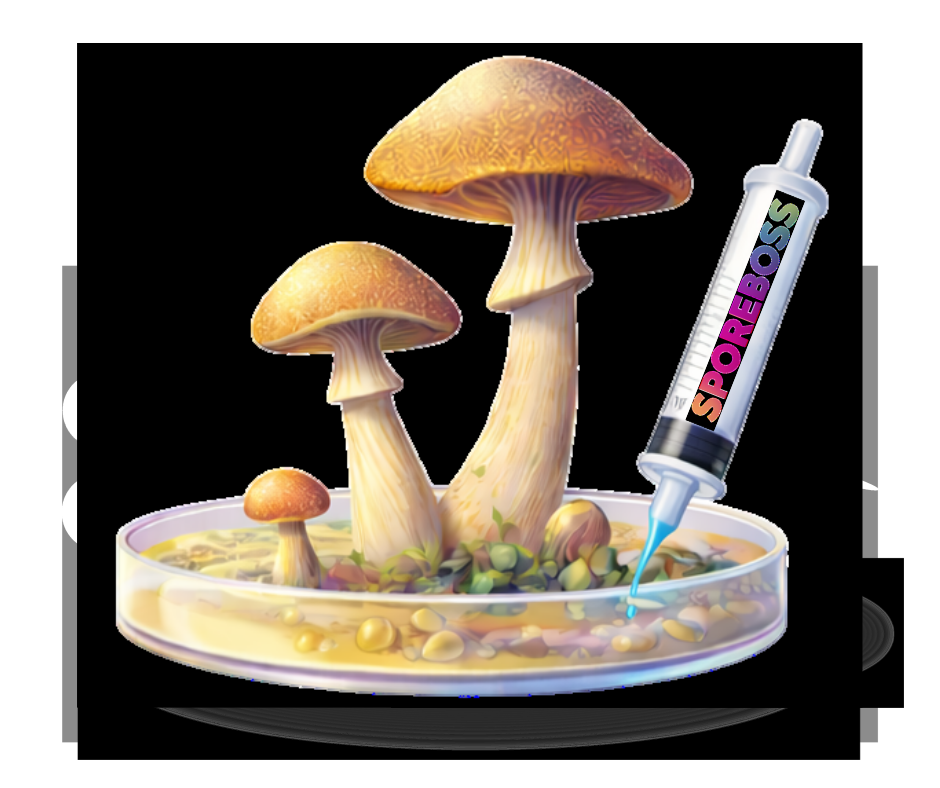
Mushroom spores are nature’s tiny powerhouses, playing a crucial role in the life cycle of fungi. Often overlooked, these minuscule reproductive units are essential for the growth and proliferation of various mushroom species. Understanding mushroom spores opens up a whole new dimension for enthusiasts, cultivators, and nature lovers alike.
What Are Mushroom Spores?
Mushroom spores are microscopic cells produced by fungi, serving as the primary means of reproduction. They are analogous to seeds in plants, containing all the genetic material necessary for creating new organisms. Once released, spores can travel significant distances through the air, waiting for the right environmental conditions, like moisture and temperature to germinate and grow into mushrooms.
The Importance of Spores in Cultivation
For mushroom cultivators, understanding the characteristics of different spore types can greatly enhance their growing experience. Each mushroom species produces unique spores, impacting everything from growth rates to flavor profiles. Collecting and storing high-quality spores is crucial for successful cultivation. Many cultivators start with a spore syringe, an efficient tool that allows for easy inoculation of substrates.
Exploring the Varieties
There’s a diverse array of mushroom spores available, ranging from gourmet varieties like shiitake and oyster mushrooms to medicinal types such as lion’s mane and reishi. Each type offers not just unique flavors but also various health benefits.
Unlocking the Potential of Mushroom Spores
Mushroom spores may be tiny, but their impact is enormous, both ecologically and gastronomically. Whether you are a hobbyist or a serious grower, diving into the world of mushroom spores opens doors to creativity and sustainability in gardening.